About Epson EI-P7501
Heres a professional tradeindia-style product description for an Epson 65-inch Interactive Flat Panel:
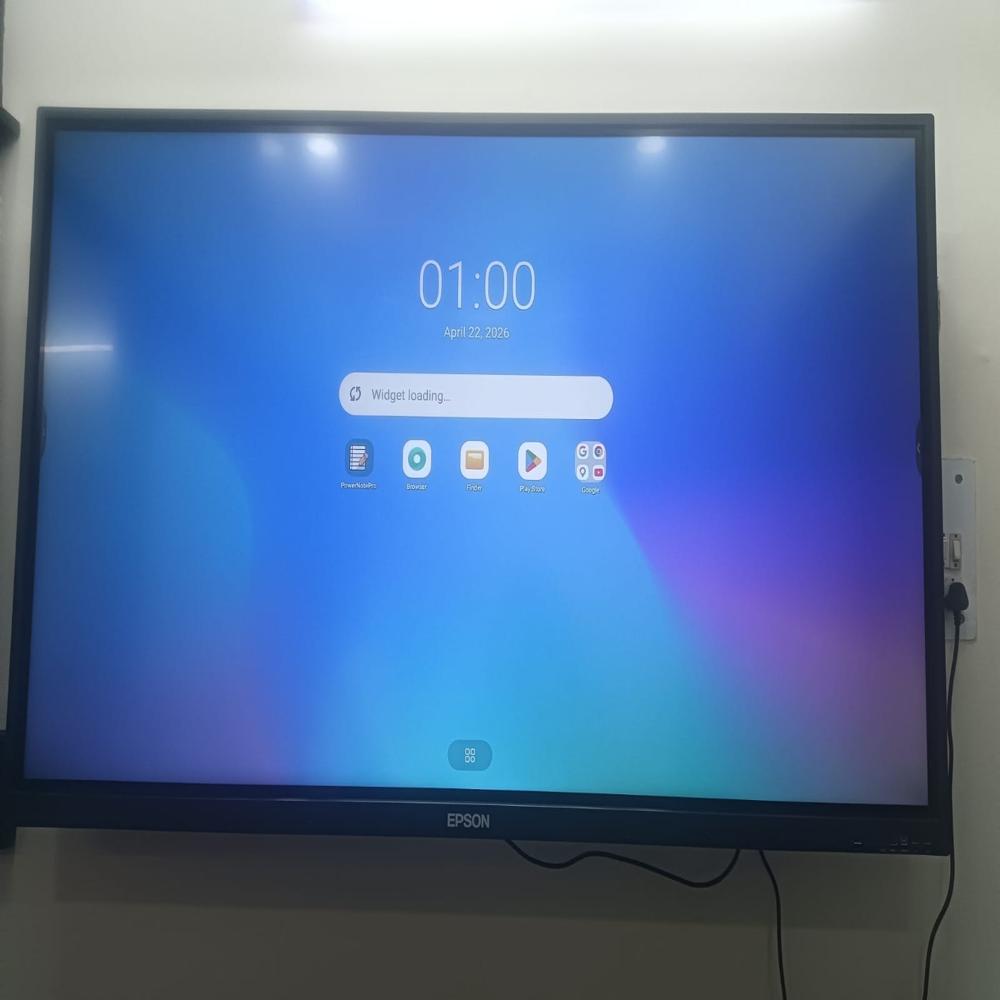
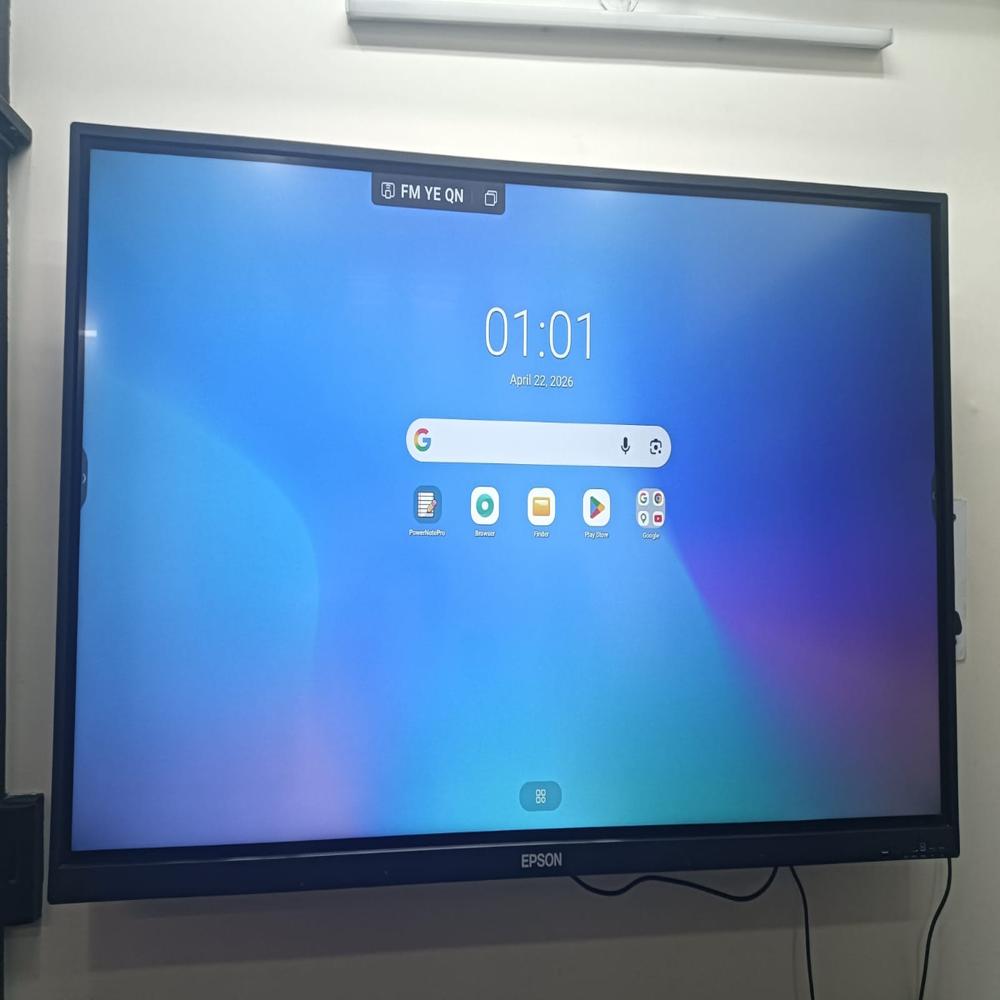
*Epson 75 Inch Interactive Flat Panel Display*
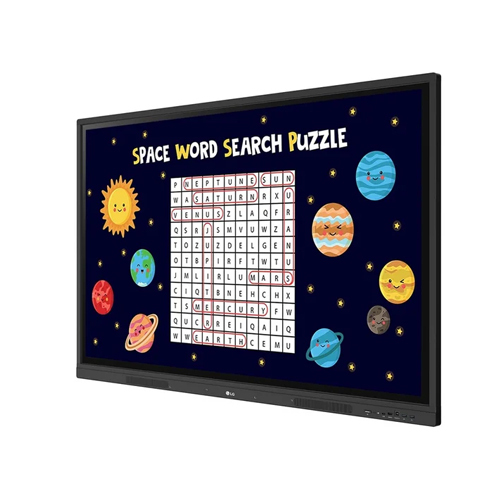
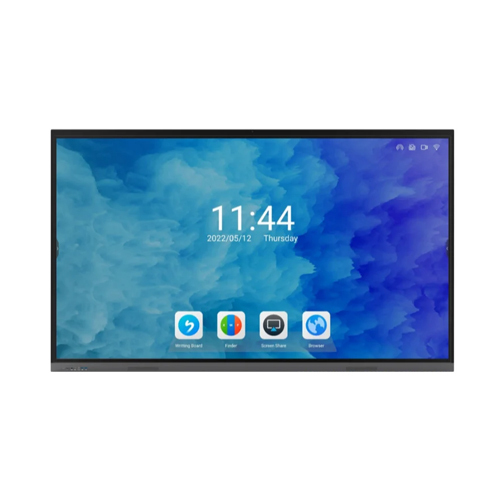
Enhance collaboration and productivity with the Epson 65-inch Interactive Flat Panel, designed for modern classrooms, meeting rooms, and corporate environments. Featuring a large 65-inch Ultra HD display, this panel delivers crystal-clear visuals, vibrant colors, and sharp details for an immersive viewing experience.
Equipped with advanced multi-touch technology, the panel supports smooth and precise touch response, allowing multiple users to write, draw, and interact simultaneously. Its user-friendly interface makes presentations, teaching, and brainstorming sessions more engaging and efficient.
The p
Superior Print Technology for Industrial EfficiencyOutfitted with PrecisionCore MicroTFP Printhead technology and eight separate print heads, the Epson EI-P7501 delivers unparalleled printing accuracy and speed. This technology ensures vibrant and consistent results across a wide printing width, making it suitable for demanding textile applications. Factory-ready and easy to integrate, this printer is engineered for high-volume production environments.
Versatile Fabric Compatibility and Ink SelectionThe EI-P7501 is designed to handle various fabric types, including cotton, polyester, silk, viscose, and blends. Its compatibility with reactive, disperse, acid, and pigment inks allows users to achieve desired color results and fabric finishes. Whether the requirement is for fashion textiles or home decor, this printer adapts seamlessly to diverse production needs.
Eco-friendly and Durable for Long-Term UseConstructed from robust metal and plastic, the Epson EI-P7501 boasts durability for intensive industrial operations. Its eco-friendly printing process and efficient power consumption align with sustainable manufacturing goals. Precision color management minimizes waste, supporting both environmental and productivity objectives.
FAQ's of Epson EI-P7501:
Q: How does the Epson EI-P7501 ensure high-speed and precise textile printing?
A: The Epson EI-P7501 utilizes PrecisionCore MicroTFP Printhead technology with eight individual print heads, enabling it to deliver high production speeds of up to 120 sqm/hour without sacrificing detail. Its advanced print resolution of up to 720 x 1440 dpi ensures sharp and vibrant color reproduction on various fabrics.
Q: What types of fabrics and inks can I use with the Epson EI-P7501?
A: This printer supports a wide range of fabrics, including cotton, polyester, silk, viscose, and blends. It is compatible with reactive, disperse, acid, and pigment inks, giving users flexibility to achieve specific color effects and durability based on application needs.
Q: When is the Epson EI-P7501 best used in textile production?
A: The EI-P7501 is ideal for high-volume textile production that demands both speed and precision. It excels in environments requiring rapid turnaround times, such as fashion manufacturing, home textiles, and garment customization businesses.
Q: Where can the Epson EI-P7501 be installed, and what are the ideal operating conditions?
A: This digital textile printer is designed for industrial settings. For optimal performance, it should be operated in environments with temperatures between 15-30C and relative humidity of 40-60%. It operates on standard AC 220-240V, 50/60Hz power.
Q: What is the process for direct-to-fabric printing with this model?
A: The EI-P7501 prints directly onto prepared textiles using special inks selected based on the fabric. The integrated RIP software, Epson Edge Print, streamlines design preparation and output, while the ready-to-use assembly simplifies setup and operation.
Q: What are the main benefits of choosing the Epson EI-P7501 for textile printing?
A: Key advantages include high-speed production, consistent color accuracy, eco-friendly operation, and sturdy industrial construction. Its versatility across fabrics and ink types allows businesses to expand their product offerings and improve production efficiency.









 Send Inquiry